Camp Lejeune Water Crisis
34 Years of Contamination and the Fight for Justice
Presented by

The fastest and most advanced medical record retrieval platform
The fastest path to medical evidence
Camp Lejeune
A Marine Corps base in North Carolina. Home to thousands of military families for decades.
Between 1953 and 1987, something was wrong with the water. This is the story of what happened, who knew, and when they knew it.
Key Context
Camp Lejeune operated as a major Marine Corps training facility, housing tens of thousands of military families in base housing.
The base provided all utilities, including drinking water, to residents
Water quality testing was not standard practice at military installations during the 1950s and 1960s.
Environmental regulations were minimal compared to today's standards
Multiple industrial activities occurred on and around the base, including vehicle maintenance and fuel storage.
These operations would later become central to understanding the contamination
Military families expect their government to protect them. When that trust is broken, the consequences can last generations.
Continue reading below
America's Largest Military Water Contamination
From 1953 to 1987, over one million people were exposed to contaminated water at Camp Lejeune
Camp Lejeune served as home to thousands of Marines and their families for decades. Between 1953 and 1987, the base's water supply was contaminated with toxic chemicals, creating one of the largest environmental health crises in U.S. military history.
Scroll to explore the full story
The Contamination Begins
In 1953, volatile organic compounds (VOCs) began seeping into Camp Lejeune's water supply from multiple sources including an off-base dry cleaner, on-base vehicle maintenance areas, and underground fuel storage tanks.
A Million People Exposed
Over three decades, more than one million Marines, their families, and civilian workers drank, cooked with, and bathed in contaminated water. The scale of exposure was unprecedented in U.S. military history.
Deadly Chemicals at Extreme Levels
The water contained trichloroethylene (TCE), tetrachloroethylene (PCE), benzene, and vinyl chloride. PCE levels reached 215 μg/L - that's 43 times the EPA's maximum safe level.
Discovery and Response
The Marine Corps identified the contamination in the early 1980s. Due to various factors including limited environmental regulations at the time, some contaminated wells continued operating until 1987.
A Generation of Suffering
Families drank, cooked with, and bathed in poisoned water for decades. Pregnant women unknowingly exposed their unborn children. Marines trained and lived in toxic conditions daily.
The Human Cost
The contamination has been linked to 15 different cancers, Parkinson's disease, birth defects, and numerous other serious health conditions. Many victims have already died waiting for justice.
Timeline of Events
Contamination Begins
Toxic chemicals start seeping into Camp Lejeune's water supply
Discovery & Cover-Up
Marine Corps discovers contamination but delays action
Wells Finally Closed
Contaminated wells shut down after 34 years of operation
Janey Ensminger Act
Congress provides healthcare for some victims
Camp Lejeune Justice Act
Congress finally allows victims to seek compensation
Trials Begin
480,000+ claims filed, bellwether trials commence
Contamination Begins
Toxic chemicals start seeping into Camp Lejeune's water supply
Discovery & Cover-Up
Marine Corps discovers contamination but delays action
Wells Finally Closed
Contaminated wells shut down after 34 years of operation
Janey Ensminger Act
Congress provides healthcare for some victims
Camp Lejeune Justice Act
Congress finally allows victims to seek compensation
Trials Begin
480,000+ claims filed, bellwether trials commence
Confirmed Health Effects
Increased cancer risks documented by CDC studies
Marines & Navy Personnel
Civilian Workers
Birth Defects & Pregnancy Outcomes
They poisoned us. They knew about it. And they covered it up. We drank that water. We bathed our babies in it. Now we're dying from it.
The Settlement Reality
Elective Option offers progress, but most victims still waiting
DOJ Elective Option Settlements
Based on diagnosis and exposure duration
Tier 1 Conditions
Kidney Cancer, Liver Cancer, Leukemia, Bladder Cancer, Non-Hodgkin's Lymphoma
Tier 2 Conditions
Multiple Myeloma, Parkinson's Disease, End-Stage Renal Disease, Systemic Sclerosis
Source: classaction.org
The Legal Battle: Justice vs. Bureaucracy
The Case For Plaintiffs
Three powerful arguments supporting the victims
Scientific Evidence:
Water was 43x more toxic than safe levels
Dozens of peer-reviewed studies conclusively link Camp Lejeune water contamination to cancer, birth defects, and other serious illnesses. The contamination levels were up to 43 times the safe limit.
Evidence: CDC, ATSDR, and National Academy of Sciences studies confirm causation
Government Negligence:
Marines knew for 7 years but kept wells running
Documents prove the Marine Corps discovered contamination in the early 1980s but continued using poisoned wells until 1987. They failed to notify residents, violating their duty of care.
Evidence: Internal Marine Corps documents and EPA Superfund designation
Congressional Recognition:
Allocated $22 billion, admitting responsibility
The Camp Lejeune Justice Act passed with overwhelming bipartisan support, explicitly creating a path to compensation. Congress allocated $22 billion, acknowledging the government's responsibility.
Evidence: Camp Lejeune Justice Act of 2022 and Congressional appropriations
The Defense Arguments
Three key challenges to the plaintiffs' case
Causation Challenges:
Hard to prove water caused specific cancers decades later
The DOJ argues proving direct causation between water exposure and specific illnesses decades later is difficult. Many conditions have multiple potential causes.
Counter: Government motions emphasizing burden of proof requirements
Administrative Burden:
480,000+ claims need individual review
With 480,000+ unique claims after de-duplication, the government argues individual case review is necessary to prevent fraud and ensure only legitimate claims are paid.
Counter: Claims require detailed documentation verification
Precedent Concerns:
Fears lawsuits from 126 other contaminated military bases
The government fears setting precedents for other environmental contamination cases at military bases nationwide, potentially opening floodgates to massive liability.
Counter: Similar contamination at 126 other military installations
The Balance of Arguments
Plaintiffs' Strengths
Scientific Evidence: Water was 43x more toxic than safe levels
Government Negligence: Marines knew for 7 years but kept wells running
Congressional Recognition: Allocated $22 billion, admitting responsibility
Defense Challenges
Causation Challenges: Hard to prove water caused specific cancers decades later
Administrative Burden: 480,000+ claims need individual review
Precedent Concerns: Fears lawsuits from 126 other contaminated military bases
With overwhelming scientific evidence and Congressional recognition of responsibility, the government's delay tactics appear designed to outlast elderly and dying veterans rather than provide the justice Congress intended.
Military Service & Exposure
Service members and families unknowingly lived on base during contamination period
years of documented water contamination (1953-1987)
The Path Forward
The administrative claims deadline passed in August 2024, but those who filed can still pursue lawsuits. Bellwether trials are set for 2026, and success requires thorough documentation of service records and medical history.
Document Everything
Service records, medical history, and proof of residency at Camp Lejeune are crucial for your case
Medical Evidence
Comprehensive medical records linking conditions to toxic exposure strengthen your claim
Legal Representation
Experienced attorneys working to secure fair compensation for victims and their families
Aging Claimant Population
Most claimants are elderly veterans with time-sensitive health conditions
average age of Camp Lejeune claimants filing for compensation
The Record Retrieval Challenge
Camp Lejeune cases require military service records, VA medical files, and decades of civilian treatment history. Traditional methods can't keep up.
Traditional Methods
With LlamaLab
Help Camp Lejeune Victims Get Justice
If you're representing Camp Lejeune victims, comprehensive medical documentation is crucial for securing fair compensation. LlamaLab retrieves VA records in 4 days on average—not 90+. Let us help you find the evidence before time runs out.
Learn How LlamaLab Can HelpStay Informed
Get exclusive insights and updates on legal technology and data stories delivered to your inbox
Frequently Asked Questions
What caused the Camp Lejeune water contamination?
From 1953 to 1987, Camp Lejeune's water supply was contaminated with toxic chemicals including TCE, PCE, benzene, and vinyl chloride. Sources included an off-base dry cleaner, leaking underground fuel tanks, and industrial disposal areas. Contamination levels were up to 3,400 times above safe limits.
How many Camp Lejeune claims have been filed?
Over 546,000 administrative claims were filed before the August 2024 deadline. After removing duplicates, approximately 480,000 unique claims remain as of January 2026. Additionally, over 2,770 lawsuits have been filed in the Eastern District of North Carolina.
Who qualifies for Camp Lejeune compensation?
You may qualify if you lived, worked, or were stationed at Camp Lejeune for at least 30 days between August 1953 and December 1987. This includes Marines, family members, civilian workers, and children born at the base. You must have developed a qualifying health condition linked to the contamination.
What health conditions are linked to Camp Lejeune?
Linked conditions include various cancers (leukemia, bladder, kidney, liver, breast), Parkinson's disease, birth defects, miscarriages, infertility, and neurological disorders. The contaminated water contained known carcinogens including trichloroethylene (TCE) and perchloroethylene (PCE).
What are Camp Lejeune settlement values?
The DOJ's Elective Option offers tiered settlements: Tier 1 conditions (kidney cancer, leukemia, bladder cancer, etc.) range from $150,000-$450,000 based on exposure duration. Tier 2 conditions (Parkinson's, multiple myeloma, etc.) range from $100,000-$400,000. An additional $100,000 is offered for claims involving death.
Related Reading
Camp Lejeune Litigation Update
Latest developments, settlement progress, and trial timeline for Camp Lejeune claims.
Solving the Medical Record Crisis
How modern technology transforms medical record retrieval for mass tort litigation.
Hidden Costs of Record Retrieval
Understanding the true cost of medical record delays in mass tort cases.
Read More on Our Blog
How law firms streamline medical record workflows with LlamaLab.
Related Stories

Social Media Addiction Lawsuit: Teen Mental Health Crisis 2026
An interactive exploration of the social media addiction epidemic and its devastating impact on America's youth
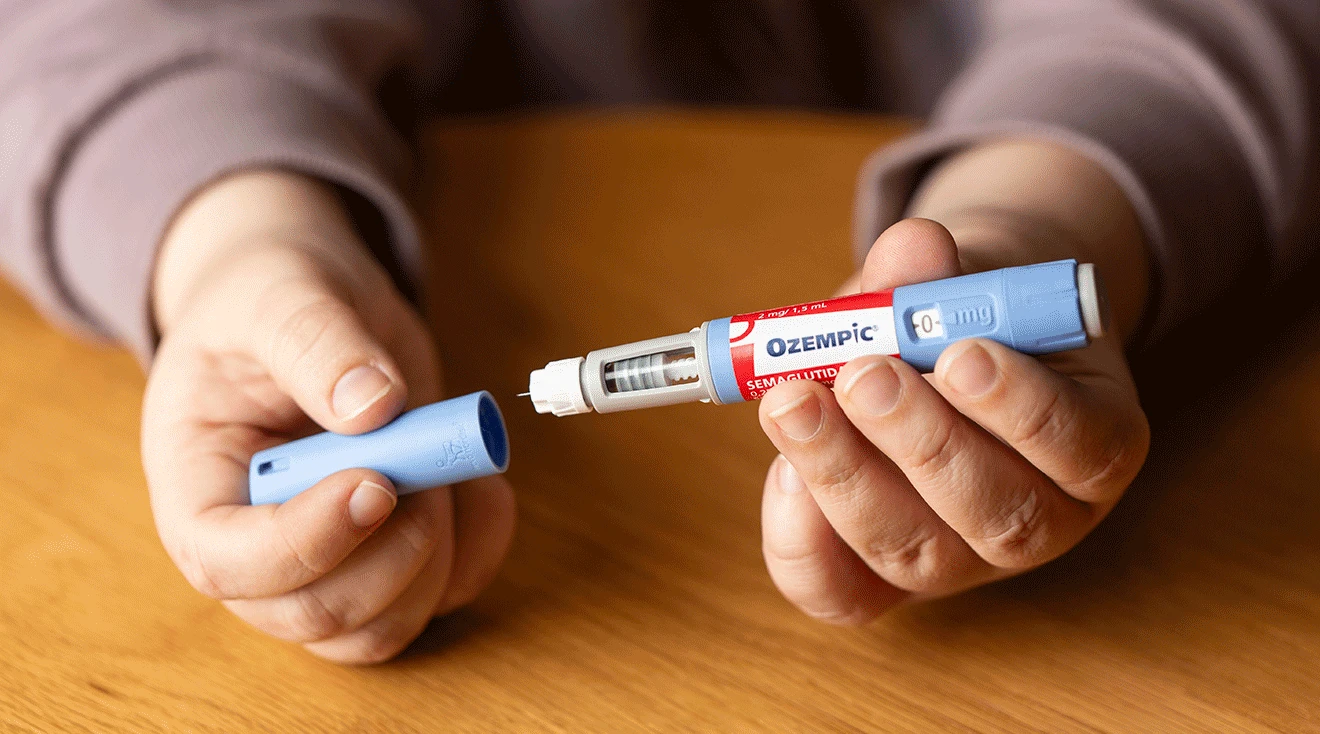
The Ozempic Crisis: MDL 3094 Lawsuit Update 2026
An interactive exploration of how blockbuster diabetes drugs became a mass tort battleground over hidden side effects