
Mass Tort News
7 min read
Abbott's $670M NEC Deal Lands Mid-Trial
Abbott's $670M settlement resolves the $495M Gill verdict and claims for 2,000 more infants as the first federal NEC bellwether trial continues in Chicago.
Read
Stay current on major mass tort litigation — hernia mesh, PFAS, GLP-1 weight loss drugs, Depo-Provera, Camp Lejeune, and more. Settlement updates, MDL developments, and what law firms need to know.
Mass tort litigation in 2026 spans an unusually wide range of product categories — from surgical implants and environmental contaminants to weight loss drugs and social media platforms. The number of active multidistrict litigations continues to grow, and the aggregate value of pending claims is measured in tens of billions of dollars. For plaintiff firms, the challenge is not just signing cases but building the medical evidence necessary to move them through increasingly complex settlement frameworks.
This page provides an overview of the major active mass torts, their current status, and the role that medical documentation plays in determining outcomes.
Mass tort litigation involves large numbers of individual plaintiffs who have been harmed by the same product, substance, or corporate action. Unlike class actions, where plaintiffs are grouped into a single claim, mass torts preserve each plaintiff's individual case while consolidating pretrial proceedings for efficiency. Most mass torts are managed through multidistrict litigation (MDL) in federal court, where a single judge oversees discovery, bellwether trials, and settlement negotiations.
The economics of mass tort practice are fundamentally different from single-event litigation. Firms may manage hundreds or thousands of cases simultaneously, each requiring its own medical evidence package. The ability to retrieve, organize, and analyze medical records at scale is often the operational bottleneck that determines how quickly a firm can process its inventory and participate in settlement programs.
As of early 2026, dozens of MDLs are actively progressing through federal courts. The largest by case count include PFAS/AFFF contamination, hernia mesh products, Camp Lejeune water contamination claims, and the emerging GLP-1 receptor agonist litigation. Several of these MDLs have entered or are approaching settlement phases, which places intense pressure on plaintiff firms to have complete medical documentation ready for claims submission.
Below is a closer look at the major active mass torts and where they stand.
The Bard hernia mesh litigation is one of the most instructive examples of how medical records directly determine financial outcomes. Becton Dickinson agreed in October 2024 to pay over $1 billion to resolve approximately 38,000 lawsuits alleging that its polypropylene hernia mesh products caused complications including chronic pain, infection, mesh migration, and organ perforation.
The settlement uses a tiered payout structure where documentation quality is the primary differentiator. Claimants in the lowest tier — those with incomplete or insufficient records — receive $2,500. Those with comprehensive documentation of severe injuries, including operative reports, complication records, and revision surgery documentation, can receive over $100,000. That 40x gap between tiers makes this settlement less about eligibility and more about evidence preparation.
As of February 2026, over 23,000 cases remain pending in MDL-2846, and court-appointed special masters are preparing an Intensive Settlement Process for unresolved claims. For a detailed breakdown of the tier structure, required documentation, and strategies for maximizing claim value, read our analysis of the Bard hernia mesh settlement and payout tiers.
The PFAS mass tort has become one of the largest environmental litigations in U.S. history. Over 15,000 personal injury lawsuits are pending in MDL 2873 in South Carolina, with bellwether trials expected in 2026. Separate from the personal injury track, municipalities have secured more than $12 billion in settlements for public water system contamination from 3M, DuPont, and other manufacturers.
The science underlying PFAS claims continues to strengthen. EPA data shows 165 million Americans at risk of drinking PFAS-contaminated water, with confirmed contamination in all 50 states. The MDL focuses on six priority health conditions: kidney cancer, testicular cancer, thyroid disease, thyroid cancer, ulcerative colitis, and liver cancer.
PFAS cases present unique retrieval challenges because exposure often occurred decades ago through contaminated drinking water or occupational contact with AFFF firefighting foam. Building a complete medical history requires retrieving records across military, occupational health, and civilian providers — often spanning 20 or more years of treatment. For current case counts, settlement deadlines, and documentation requirements, see our PFAS litigation update.
The GLP-1 receptor agonist litigation is the fastest-growing mass tort of 2026. Claims involve drugs including semaglutide (Ozempic, Wegovy) and tirzepatide (Mounjaro, Zepbound), alleging that manufacturers failed to adequately warn about serious gastrointestinal side effects including gastroparesis (stomach paralysis), bowel obstruction, pancreatitis, and gallbladder disease.
The litigation is driven by the sheer scale of adoption. Tens of millions of Americans have been prescribed GLP-1 drugs, initially for diabetes management and increasingly for weight loss. Adverse event reports to the FDA have surged, and plaintiff firms are signing cases at a pace that has outstripped many established mass torts.
For firms evaluating whether to enter this litigation space, the key questions involve case qualification criteria, the evolving scientific evidence, and the documentation required to support causation. Our guide to the GLP-1 litigation surge covers what law firms need to know about current developments, MDL consolidation prospects, and case-building strategies.
For a more specific focus on semaglutide claims, including the regulatory timeline and adverse event data, see our comprehensive Ozempic litigation guide.
The Depo-Provera litigation targets Pfizer's injectable contraceptive, alleging that long-term use significantly increases the risk of meningioma — a type of brain tumor. Research published in the BMJ in March 2024 found that prolonged use of medroxyprogesterone acetate (the active ingredient in Depo-Provera) was associated with a substantially elevated risk of intracranial meningioma.
This litigation is in its relatively early stages but is growing rapidly. The causal mechanism — hormonal stimulation of meningioma growth — is well-documented in medical literature, and the large population of women who received Depo-Provera injections over extended periods creates a significant potential plaintiff pool.
Medical record requirements for Depo-Provera cases are specific: firms need injection histories documenting duration of use, neuroimaging confirming meningioma diagnosis, and records establishing the temporal relationship between drug exposure and tumor development. For the latest on MDL proceedings, scientific evidence, and case criteria, read our Depo-Provera litigation update.
The Camp Lejeune litigation stems from decades of toxic water contamination at Marine Corps Base Camp Lejeune in North Carolina. From 1953 to 1987, service members, their families, and civilian workers were exposed to drinking water contaminated with volatile organic compounds including trichloroethylene (TCE), perchloroethylene (PCE), benzene, and vinyl chloride. Over one million people are estimated to have been exposed.
The Camp Lejeune Justice Act of 2022 created a federal cause of action allowing affected individuals to seek compensation. The volume of claims has been enormous — over 400,000 administrative claims have been filed. However, the pace of resolution has been slow, with only a small fraction of claims settled to date.
Camp Lejeune cases require documenting both exposure (proving the claimant lived or worked at the base during the contamination period) and injury (linking diagnosed health conditions to the toxic exposure). Many claimants are elderly veterans whose treatment records span decades and multiple healthcare systems, making comprehensive retrieval essential. For the latest on claim processing, settlement developments, and filing requirements, see our Camp Lejeune litigation update.
The social media addiction litigation represents an entirely different category of mass tort. Hundreds of school districts, state attorneys general, and individual families have filed lawsuits against Meta (Facebook, Instagram), TikTok, Snapchat, YouTube, and other platforms, alleging that these companies knowingly designed addictive features that harm children and adolescents.
The claims center on youth mental health outcomes including depression, anxiety, eating disorders, self-harm, and suicidal ideation. Internal company documents — particularly those disclosed by the Facebook whistleblower in 2021 — showed that platforms were aware their products were causing harm to young users and chose not to act.
Medical records in social media cases differ from traditional product liability claims. Firms need psychiatric and psychological treatment records, school counseling documentation, hospitalization records for mental health crises, and prescription histories for psychiatric medications. The challenge is not just retrieval but building a coherent medical narrative that links platform usage to documented psychological harm. For current developments in this litigation, see our social media addiction litigation update.
Across every active mass tort, one pattern is consistent: the quality and completeness of medical documentation is the single largest variable in claim value. Settlement programs increasingly use tiered structures where payout amounts are directly tied to the strength of the medical evidence submitted. The Bard hernia mesh settlement is the clearest example — a 40x difference between the lowest and highest tiers — but the principle applies broadly.
For firms managing large mass tort inventories, the operational challenge is retrieval at scale. A firm with 500 PFAS cases, each requiring records from multiple providers spanning decades of treatment, faces thousands of individual retrieval requests. Traditional manual processes — faxing authorizations, making follow-up calls, waiting weeks for responses — simply cannot keep pace with the volume.
The firms that are processing mass tort cases most efficiently have adopted technology platforms that automate retrieval, standardize record organization, and provide AI-powered analysis of medical documentation. These tools reduce the per-case cost of evidence preparation and compress the timeline from case sign-up to settlement submission.
Technology is also changing how firms prepare for critical litigation events. MDL proceedings, bellwether selections, and JPML hearings all require firms to demonstrate readiness — and that readiness increasingly depends on having organized, complete medical files. For an example of how firms are leveraging technology to prepare for high-stakes proceedings, see our JPML hearing preparation guide.
The mass tort landscape will continue to evolve as new products, substances, and corporate practices generate claims. What will not change is the central role of medical evidence in determining outcomes. Firms that invest in their retrieval and analysis infrastructure are better positioned to serve clients and capture the full value of their case inventories.
Deep dives and guides on mass tort litigation updates
Abbott's $670M settlement resolves the $495M Gill verdict and claims for 2,000 more infants as the first federal NEC bellwether trial continues in Chicago.


DOJ reports Camp Lejeune offers above $1 billion and payouts above $827 million, with 52 days left on the court's Oct. 30 global settlement deadline.
Judge Rodgers set a Nov. 30, 2026 deadline to register for the Depo-Provera settlement, with BrownGreer administering and payments expected in Q1 2027.
Navy says 88% of Camp Lejeune claims still lack DOJ evidence. A 2026 guide to proof of use and proof of injury by docket type.
Aug. 13 report: DOJ asked EDNC judges to apply a July 13 Tylenol expert ruling. Same filing cites 3,773 suits, 408,000+ claims, and an 88% proof gap.


The first Covidien hernia mesh bellwether trial opened July 13, 2026 in D. Mass. with 2,400+ cases pending in MDL 3029.

EDNC judges ordered DOJ and plaintiff leadership to reach a Camp Lejeune global settlement framework by October 30, 2026, or face restructuring.
MDL-3047 reached 2,893 pending cases as Breathitt County's ~$27M school settlement and a July 27 California bellwether reshape social media addiction litigation.

The first formula-linked infant botulism outbreak (48 cases across 19 states) is now a federal MDL in New York.
Plaintiffs are moving to centralize Dupixent cutaneous T-cell lymphoma cases as an MDL after the FDA flagged a safety signal.
BD's $1B+ Bard hernia mesh settlement uses a tiered system where documentation quality determines whether claimants receive $2,500 or $100,000+.

FDA adds meningioma warning to Depo-Provera label as MDL 3140 surpasses 2,100 cases. First bellwether trial set for December 2026.

Camp Lejeune litigation updates including court rulings, settlement progress, and how law firms are addressing medical records with nearly 500,000 claims filed.

Overview of social media addiction litigation in federal MDL 3047 and California state court, including algorithmic liability theories and clinical evidence requirements.
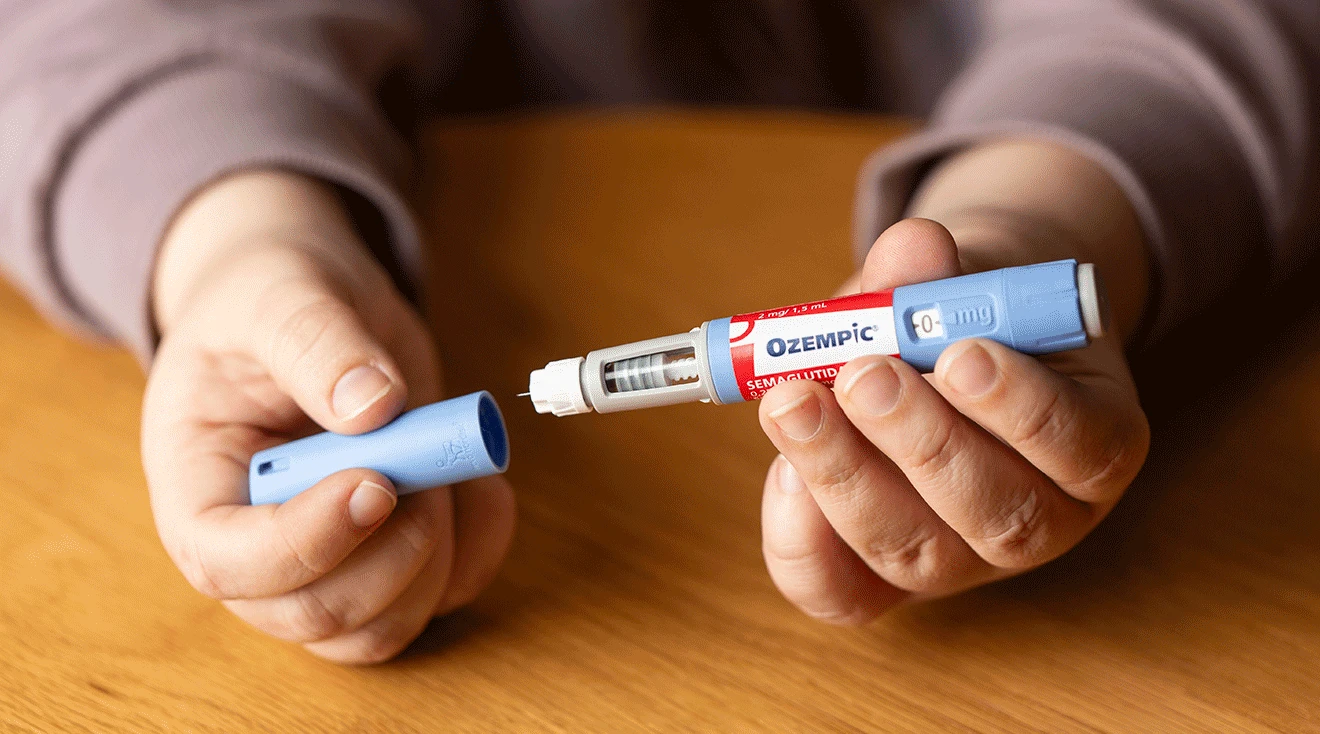
Guide to Ozempic litigation including Judge Marston's evidentiary ruling, NAION vision loss claims, and managing medical record requirements in MDL 3094.


Arizona approves Justpoint Law as first AI-powered mass tort firm under Alternative Business Structure framework: signaling major shift in legal practice.
Missouri judge grants preliminary approval for Bayer's $7.25B Roundup class settlement covering 65,000 cancer claims.
A New Mexico jury found Meta liable for child safety failures, ordering $375M in penalties in a major test of platform liability.