
Guides & Resources
7 min read
AI in Medical Record Retrieval: What It Does for Law Firms
Where AI genuinely changes a law firm's records workflow, where it changes nothing, and what to verify before believing a retrieval vendor's AI claim.
Read
14 articles with this tag
Where AI genuinely changes a law firm's records workflow, where it changes nothing, and what to verify before believing a retrieval vendor's AI claim.
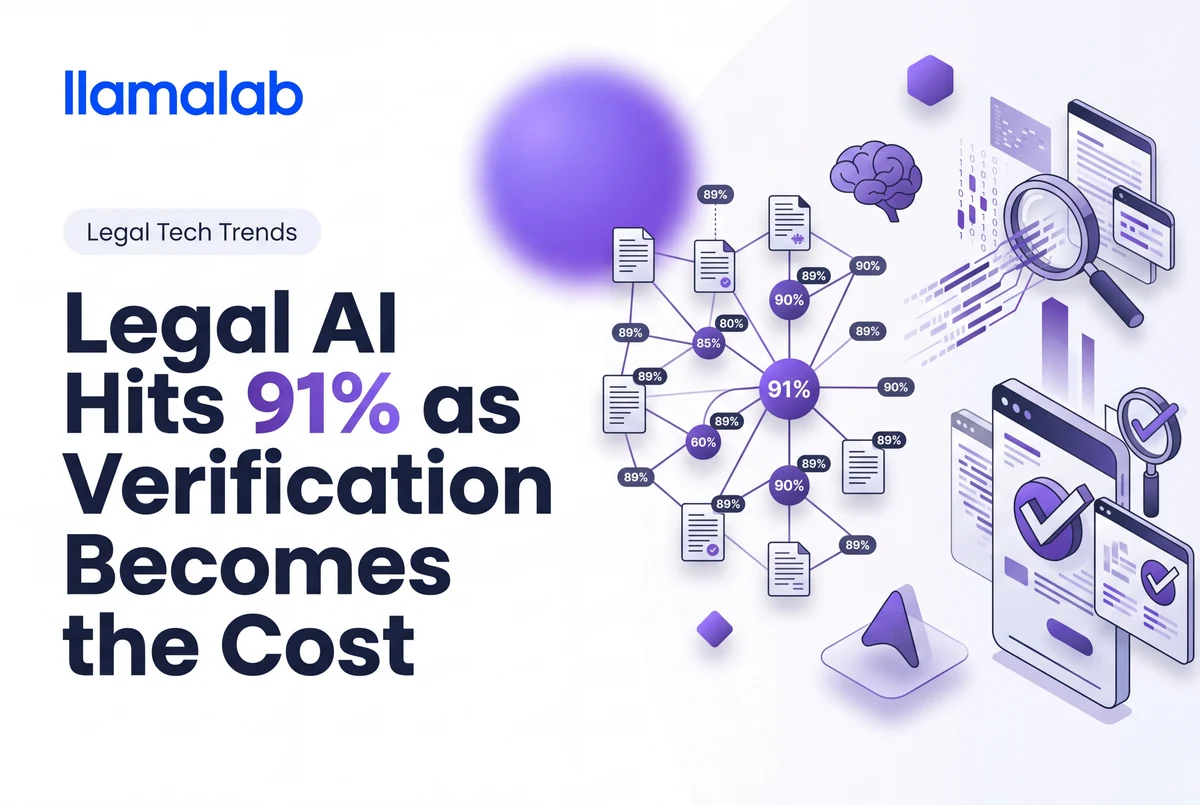
Legal AI use reached 91% in 2026 while hallucination concern jumped 15 points to become the second-biggest barrier to adoption.
New York's 22 NYCRR Part 161 took effect June 1, 2026: a statewide no-disclosure default for AI use in court papers, with optional per-court certification rules.

Thomson Reuters' 2026 Future of Professionals report finds up to $143B in U.S. client revenue under reconsideration as AI ambition outpaces execution.

AI may make courts faster and more consistent. But if judicial AI is trained to preserve the past, efficiency could hard-code old assumptions into future decisions.
Schema-first extraction was opinion encoded as infrastructure. The engineering that matters now is fidelity: guaranteeing the model sees the full record, structured so it can reason through it.
56% of PI firms rank medical record review as their top AI need. Firms using AI broadly report 3x higher revenue growth.
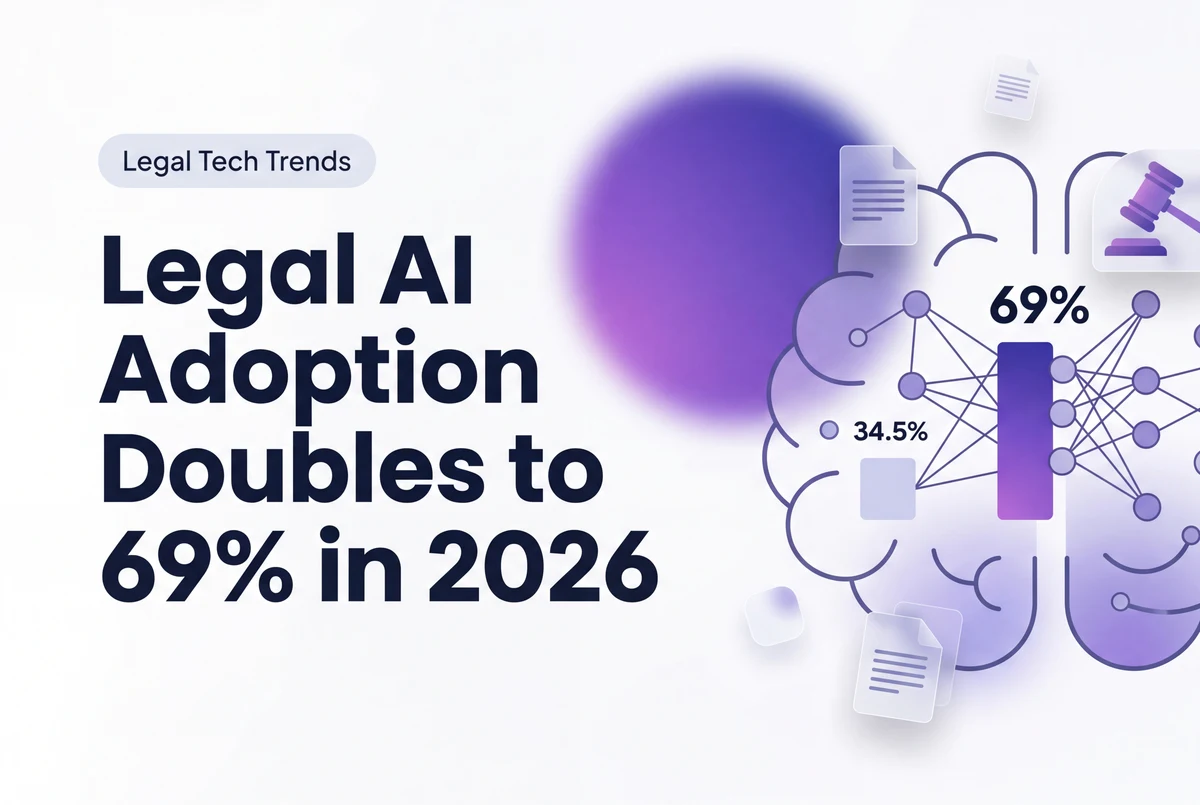
The 8am 2026 report finds 69% of legal professionals now use AI: but only 34% of firms have formal adoption. The governance gap is widening.

Law firms with AI strategies are 3.9× more likely to see benefits as tech spending hits record growth, new report finds.
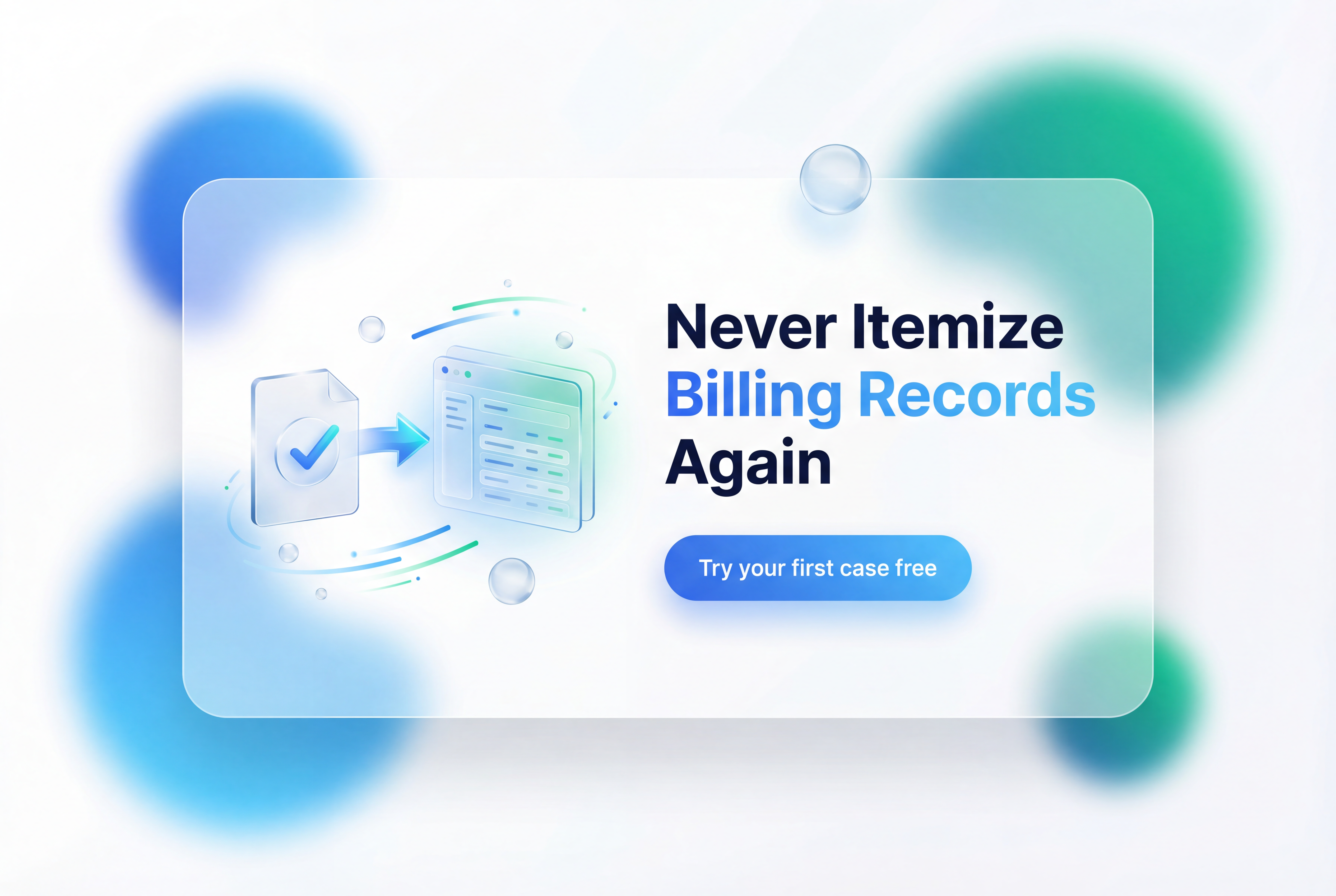
LlamaLab introduces Bill Itemization, a feature that automatically extracts billing information from medical records and organizes it into a clear, editable table.
Records come back in 4 days on average, and 30 to 40% come back the same day. Same-day is a share, not a guarantee, and some states run faster.
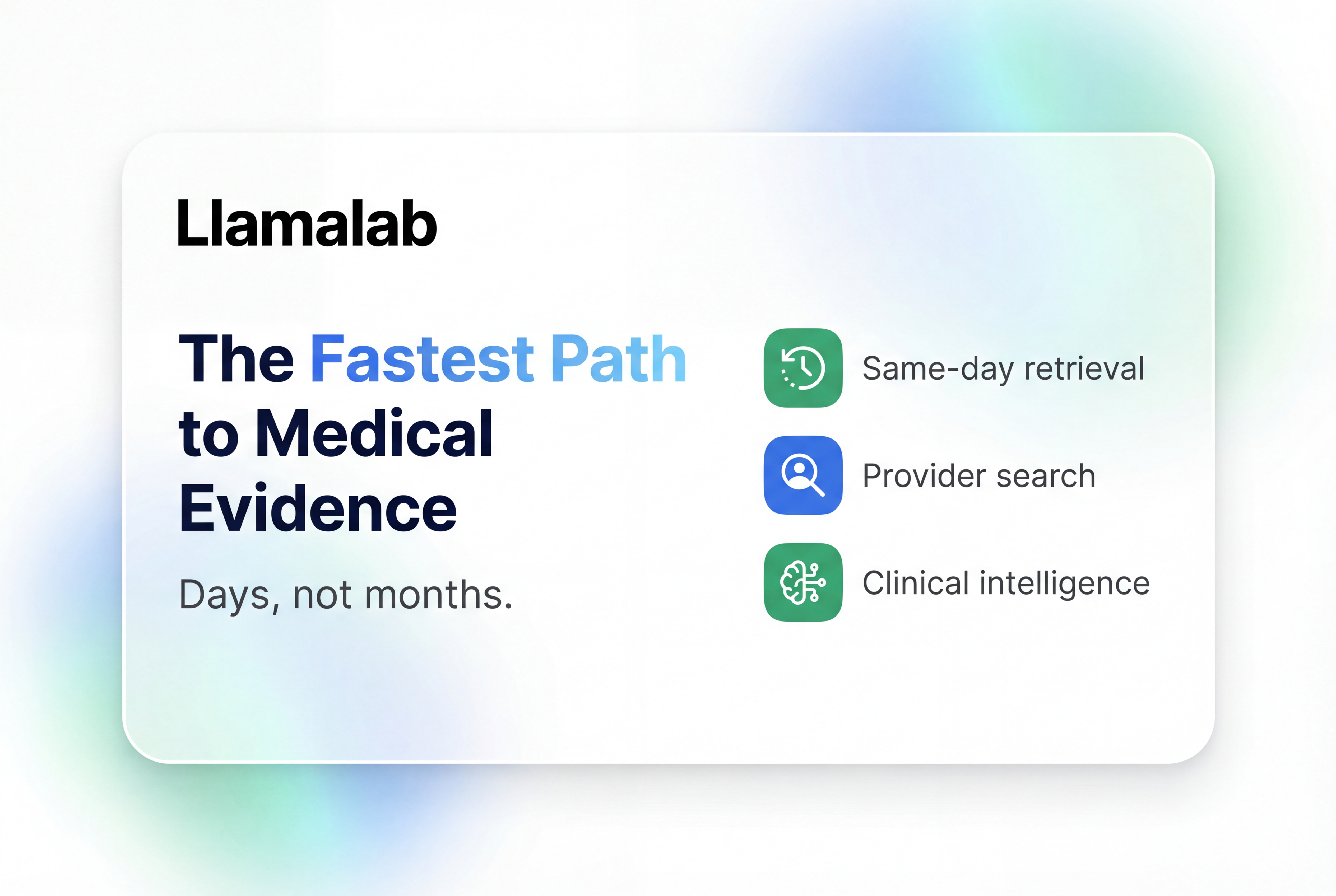
Automated retrieval delivers records in 4 days on average, with 30-40% returned same day, compared to the industry's 45-day average.
LlamaLab has evolved beyond basic record retrieval. How our platform combines automated routing, reverse provider search, and clinical intelligence to deliver demand-ready evidence.

How domain-trained neural networks and layout analysis achieve high accuracy on handwritten clinical notes, medical tables, and multi-generation faxes.